Lithium-Iron battery Rack
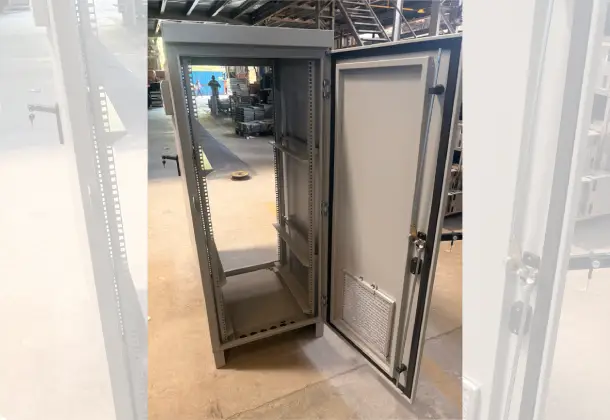
Rack Structures Designed for Rigidity and Service Clearance
Battery rack structures must do two things consistently: hold load without distortion and allow practical access for inspection or replacement. A good rack design also respects routing discipline—so cables are not strained, and service work doesn’t become a dismantling exercise.
Common applications include:
- Energy storage and backup systems
- Telecom and infrastructure support systems
- Industrial and utility environments
- EV-linked support applications (as per project design)
What We Prioritise
Key factors we define early for smooth installation and reliable performance.
Structural stability
Rigidity matters over time—especially under load and repeated service cycles.
Serviceability
Clearances and access points should support inspection and replacement without disrupting adjacent modules.
Routing discipline
Routing paths and entry expectations are considered early to avoid unsafe bends and on-site adjustments.
Configuration Approach
We typically finalise based on:
- Module size and count
- Rack footprint and stacking requirement
- Access side preference
- Routing expectations (power/data/earthing where applicable)
- Environment notes and quantity