Natural Cooling Units: Inputs That Matter Before Selection
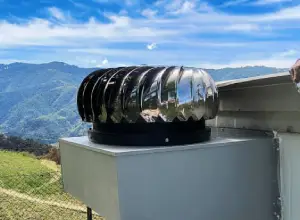
Natural cooling units can be a strong option for continuous-run installations, but selection can’t be guesswork. If the unit is chosen without the right inputs, you’ll see:
- Poor thermal stability
- Excessive dust issues
- Maintenance frustration (filters ignored because access is bad)
The 5 inputs that decide the right unit
1) Cabinet / shelter volume (dimensions)
Provide enclosure height, width, depth (or internal volume).
Cooling selection without size is just a shot in the dark.
2) Approximate heat load
You don’t always need lab-precision. Even a practical estimate helps:
- List major equipment inside
- Approximate total wattage
- Note if equipment runs continuously or intermittently
3) Site exposure (dust + water)
Natural cooling needs filtration discipline. Dust conditions decide:
- Filter type/grade
- Service frequency expectation
- Intake protection strategy
4) Airflow path and obstructions
Selection must consider whether airflow can actually move through:
- where air enters and exits
- whether internal layout blocks flow
- whether hot zones are trapped
5) Service access for filters
If filters are difficult to access, they won’t be maintained. That becomes a reliability problem, not just a maintenance issue.
What good selection looks like (simple approach)
A practical natural cooling selection process usually follows:
- Capture cabinet size + equipment list
- Identify exposure severity (dust/rain)
- Define intake location + filter access direction
- Confirm airflow path isn’t blocked
- Finalise the unit + mounting orientation
Common selection mistakes
- Choosing by cabinet size only (ignoring heat load)
- Ignoring dust reality (filters clog quickly)
- No service access (maintenance becomes optional and performance drops)
- Airflow blocked by internal layout (unit runs, but heat stays)
Quick RFQ inputs
To get a correct recommendation, share:
- Cabinet size (H×W×D)
- equipment list / approximate heat load
- site exposure notes (dust/rain)
- mounting orientation constraints
- service access preference (front/side/top)
- quantity and location
Next step
Treat natural cooling selection like engineering—not like shopping. With the right inputs, the recommendation becomes clear and dependable.