IP42 vs IP55 vs IP65: Selecting the Right Protection for Your Site
Choosing an IP rating is not about picking the highest number. It’s about matching site exposure to the right protection level so you avoid two costly problems:
- equipment risk due to under-protection, or
- unnecessary cost and complexity due to over-specification.
The “IP” code has two digits:
- First digit = protection against solids (dust/particles/objects)
- Second digit = protection against water exposure
Where IP42 fits best (Indoor / controlled environments)
IP42 is typically selected for indoor technical rooms and controlled spaces where:
- Dust levels are moderate and manageable.
- Water exposure is limited to incidental situations (not wash-downs, not rain).
- Service access and layout planning matter more than extreme sealing.
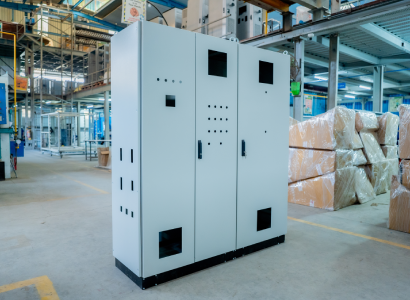
Common fits: IT rooms, indoor telecom rooms, control rooms, back-office technical areas.
Choose IP42 when: your cabinet is indoors and water contact is not expected.
Where IP55 fits best (Sheltered outdoor / semi-exposed)
IP55 is for semi-outdoor deployments where:
- Dust is present (but not extreme like open construction dust all day)
- Water exposure is expected as splashes or jets (typical outdoor cleaning/conditions), but the cabinet is not continuously exposed to direct harsh rain from all sides
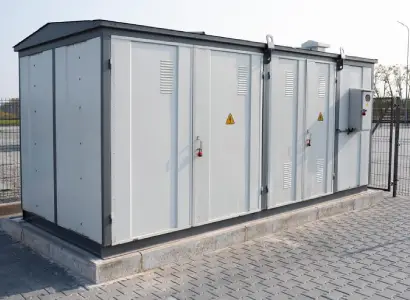
Common fits: sheltered sites, semi-covered telecom areas, utility rooms near open corridors, protected outdoor zones.
Choose IP55 when: the site is outdoor-ish, but you have some shelter or controlled exposure.
Where IP65 is the right call (Exposed outdoor / harsh sites)
IP65 is selected when the environment is genuinely harsh:
- Heavy dust exposure is normal.
- Water exposure is expected as direct rain impact and strong cleaning jets.
- The cabinet is installed in fully exposed outdoor conditions where protection is non-negotiable.
Common fits: exposed telecom sites, outdoor monitoring nodes, roadside or industrial periphery installs.
Choose IP65 when: dust and water exposure are both real and frequent.
The selection logic most teams miss
IP rating alone won’t save a poor deployment. Your enclosure selection must also consider:
- Service clearance (doors must open fully)
- Cable entry planning (top/bottom/side entry to avoid field drilling)
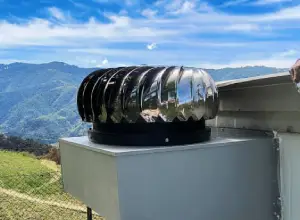
- Heat management (sealed boxes trap heat; plan ventilation/cooling where required)
- Accessory provisioning (mounting rails, plates, gland plates, partitions)
Use this on site surveys:
- Indoor or outdoor? (Indoor / sheltered / exposed)
- Dust level: low / medium / heavy
- Water exposure: none / splashes / jets / direct rain
- Cleaning method: dry wipe / damp wipe / hose/jet
- Service frequency: monthly / quarterly / on-failure
- Heat load: low / medium / high
- Cable routing: top/bottom/side? entry direction fixed?
Common mistakes (and how to avoid them)
- Over-specifying IP65 indoors → increases cost and can worsen heat trapping.
- Under-specifying IP42 outdoors → creates preventable failures.
- Ignoring cable entry planning → leads to rework, drilling, and compromised sealing.
Next step
If you share site exposure + dimensions + entry direction, selecting the right IP rating becomes straightforward.
Recommended internal links: IP42 Racks / IP55 Racks / IP65 Racks / IP Racks (Solutions)