Outdoor Cabinets: Entry Planning That Prevents On-Site Rework
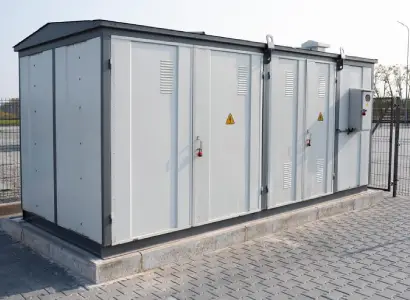
Outdoor cabinets often fail not because the cabinet body is weak—but because cable entry gets treated as an afterthought.
On-site drilling, last-minute routing changes, and messy gland placements create:
- compromised sealing (IP performance drops)
- cable strain and poor bend radius
- slower installation and future maintenance frustration
Entry planning is a design decision, not a site decision
If the entry direction and routing zones are defined at the drawing stage, site work becomes predictable. If it’s left for “later”, field teams end up improvising.
The 3 entry questions you must answer early
1)Entry direction: Top / Bottom / Side?
- Bottom entry is common for outdoor ground-mounted cabinets (better water management if designed properly).
- Top entry needs thoughtful weather protection and routing discipline.
- Side entry works when routing is from adjacent infrastructure.
2) How many cable groups exist?
Most sites don’t have “one cable”. They have groups:
- Power Cables
- Data / Communication Cables
- Earthing
- sensor/aux cables
Each group benefits from separation and planned routing paths.
3) What is the service workflow?
Ask: when technicians open the cabinet, can they access glands and routing without disturbing other components?
Serviceability is often the hidden cost driver.
Gland plate planning (the difference between clean and chaotic)
A strong cabinet design typically plans:
- A dedicated gland plate zone
- Spacing that allows proper gland tightening
- safe separation between power and data lines
- Strain relief and bend radius discipline
Site-ready entry design checklist
Use this during requirement capture:
- Entry direction confirmed (T/B/S)
- Cable count + approximate sizes
- Segregation needed (power vs data)
- Earthing location planned
- Routing zone reserved (no obstruction by equipment)
- Access space for gland tightening
- Water management approach (especially for bottom entry)
Common rework scenarios (and the prevention)
- “We didn’t know entry side” → Fix: confirm site routing with one photo and a simple sketch.
- “Cable size changed” → Fix: design gland plate with a practical range + spare capacity.
- “Technician can’t reach glands” → Fix: allocate access space, not just “fit everything inside”.
Next step
Before fabrication, insist on a simple entry plan: entry direction + cable groups + gland plate location.
That alone prevents most on-site rework and protects IP performance.